Some products need to be touched
As fashion grows more competitive, La Redoute increasingly finds its margin, and its difference, in the home. People happily buy a lampshade online. A sofa is another matter. Texture, weight, comfort and the honest relationship between quality and price: a screen can’t capture any of it.
“When people touch the product, they understand its quality and they understand the price,” he says. The reaction he hears most at events is disarmingly simple: “It’s better than I expected.” Presence closes the gap between perception and reality.
Community before conversion
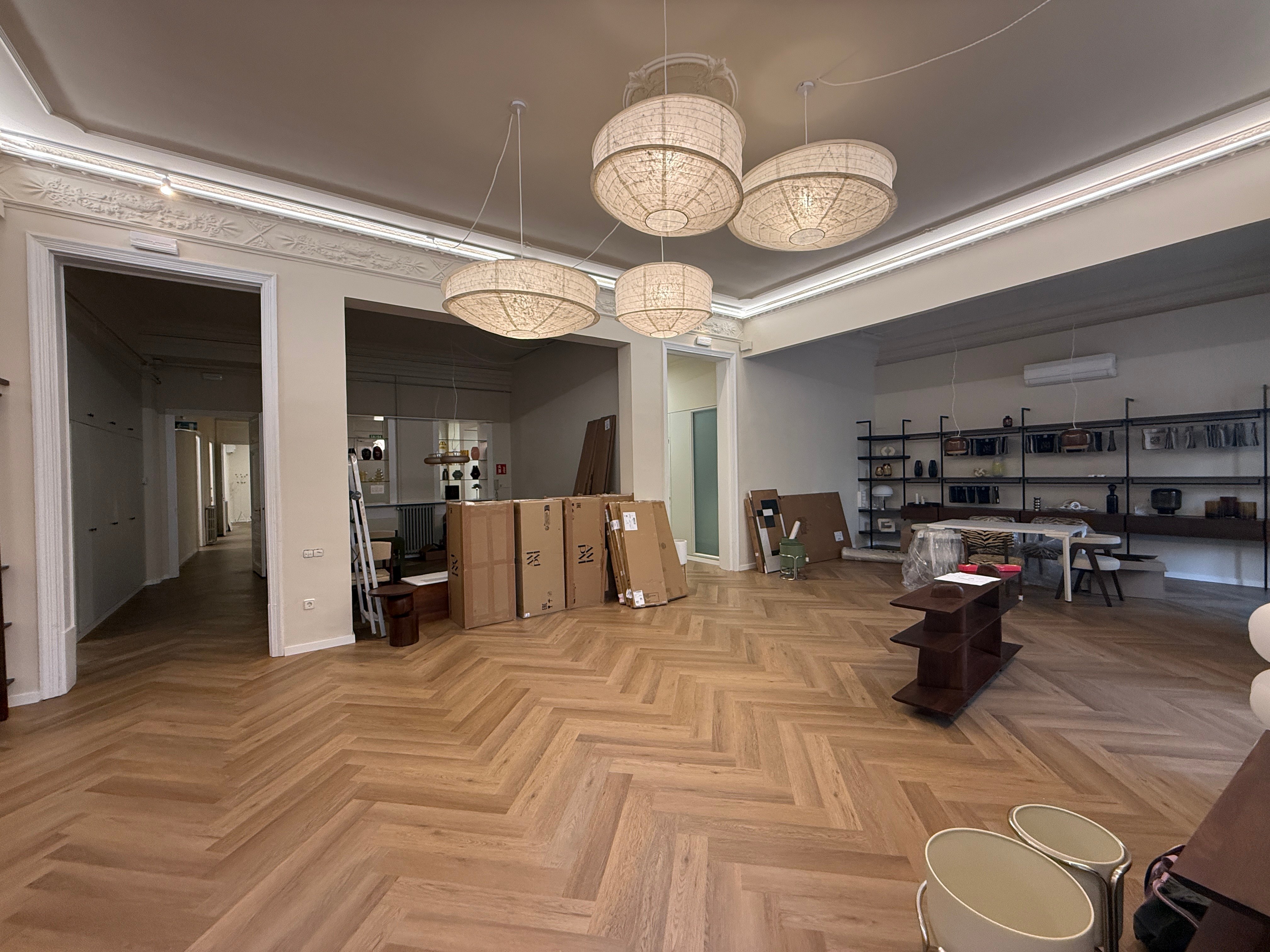
The Barcelona space is designed for a different kind of interaction, and that starts with a different kind of employee. Not retail veterans, but people from hospitality, whose instinct is to welcome, to host a conversation and to create an experience. “Whatever you did before doesn’t matter,” he says. Some of the best people he has met arrived by improbable routes. If immediate conversion is no longer the goal, success rests less on selling than on relationships. You don’t hire a cashier for a place like this. You hire a host.
The same logic runs through La Redoute Business, the arm that equips hotels, restaurants, architects, developers and coworking operators, and that most people never knew existed. Barcelona becomes the place to meet specifiers, showcase projects and build partnerships, not just display products.
AI makes presence more valuable, not less
Despite his emphasis on physical presence, Poelhekke is no AI skeptic. Internally, he already runs AI agents, including an “opportunity radar” that spots new hotels, restaurants and commercial projects across Europe before rivals do. On the consumer side, he is warier: customers still want a say in the decision.
That very tension may be presence’s best friend. As more of the journey is mediated by algorithms and AI agents, the rare moments when a brand meets a person directly become more valuable, not less. An algorithm never shakes a hand.
Acquisition stays online. The physical space becomes a destination. That’s why, he notes, a digital-born brand doesn't need to pay for a storefront on the Champs-Élysées in the same way Zara does. Zara, with almost no advertising, builds its brand through its stores. La Redoute already reaches its audience online and can invest in physical spaces where they matter most.
A prototype for tomorrow’s store
Barcelona is not just La Redoute’s first showroom outside its old model. It is a prototype for what comes next for retail. For decades, retailers judged a store by turnover per square meter. Now they can judge it by what is harder to count: relationships built, communities created, memories made.
The paradox is no longer a paradox: the best-selling store is the one that has stopped trying to sell. The point of sale is becoming a place of experience, not just a hypothesis, but a clear direction of travel. La Redoute's catalog taught generations of French shoppers to buy without entering a shop. Now the company is learning the harder art: making people want to walk through the door and stay.