联系我们

Insight

Why La Redoute is opening a showroom, not a store

七月 17, 2026

Following our Retail at the Crossroads report — built on interviews with more than 750 retailers worldwide — Emilie Robert, Global Retail Lead at Valtech, and Pascal Malotti, Global Retail Strategy Lead at Valtech, talk to Damien Poelhekke, CEO of La Redoute Southern Europe and global director of B2B. As La Redoute prepares to open a new showroom in Barcelona, Damien shares why he believes the future of physical retail lies in brand presence, relationships and experiences that customers can't get online.

Retail spent a decade perfecting the transaction. This September in Barcelona, a 189-year-old catalog brand is betting the next decade will be won on presence. La Redoute is opening a new location measured not in sales, but in relationships.

Poelhekke is careful not to call it a store. It’s a place of commerce where selling is not the point. What he wants is something less immediate and more enduring: “If someone buys a sofa, great. But what I really want is that, the day they need one, they think of us. This is not a sales channel. It is a marketing channel. And here, revenue is not my focus.”

The shop is not dead. It has simply outgrown its old job.

For years, a shop had one job it was expected to do exceptionally well: sell. Digital does that now. Customers discover, compare and buy wherever it suits them. And as AI assistants reshape the journey, brands face a subtler danger: vanishing at the moment of purchase itself.

The store may be the last place a brand controls its own story from beginning to end. That rewrites its job description: less of a distribution channel, more of a stage for storytelling, community, education and inspiration. It becomes the place for everything performance marketing and algorithmic recommendation cannot say. The codes of such a place are, by now, a shared language: galleries, craft and the art of hosting. Barcelona is La Redoute’s experiment in exactly that direction.

From performance to presence

Poelhekke is candid about the shift. Like most retailers, La Redoute leaned hard on acquisition and performance marketing while digital growth was relatively inexpensive. “We used to do a lot of small things,” he says. “Now, far fewer. But if we do something, we do it very well.” Less endless acquisition. More events, design collaborations, creative communities and conversations.

Most brands call buying more customers “building the brand.” To Poelhekke, that is a bubble, not a brand, and he means to deflate it. The return is slower and harder to measure, he says. “Spending €50,000 or €100,000 with no immediate return isn’t easy. But that’s what creates long-term differentiation.”

That kind of investment takes conviction. It's not something dashboards can provide. Poelhekke knows because he has lived it. Before joining La Redoute, he built Made.com's Benelux business and opened its first showroom.

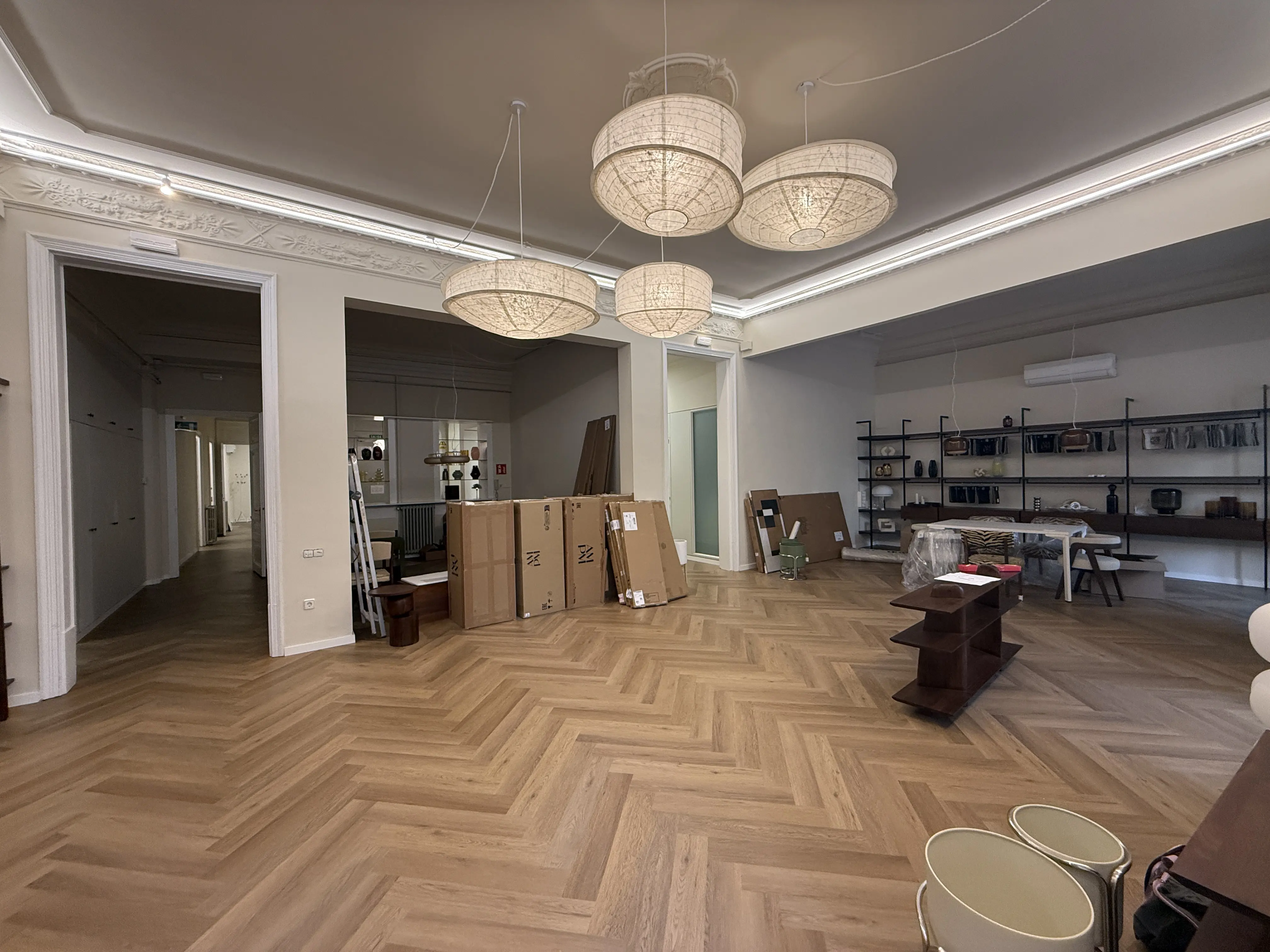
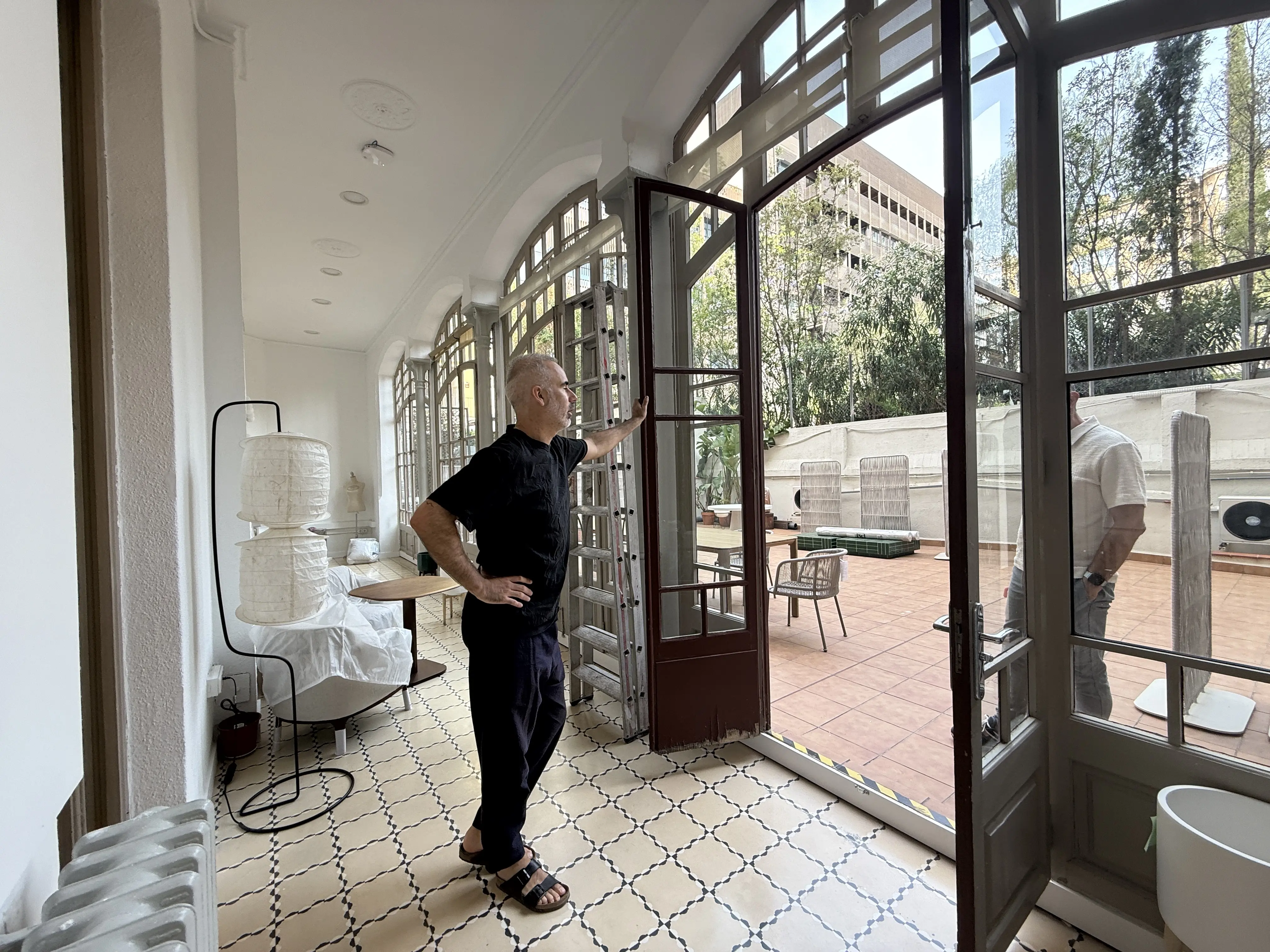
The Barcelona project reflects that same approach. It did not begin with a retail expansion plan. It began with an office lease. Rather than rent a standard workspace, Poelhekke leased a larger one that doubles as both an office and a public destination. Staff work there two or three days a week. The rest of the time it’s open to designers, customers, partners and hosts events. “I don’t have a budget to open a store,” he says. Instead, the showroom is a by-product of rent already paid. If it works, it is a blueprint for other cities.

Some products need to be touched

As fashion grows more competitive, La Redoute increasingly finds its margin, and its difference, in the home. People happily buy a lampshade online. A sofa is another matter. Texture, weight, comfort and the honest relationship between quality and price: a screen can’t capture any of it.

“When people touch the product, they understand its quality and they understand the price,” he says. The reaction he hears most at events is disarmingly simple: “It’s better than I expected.” Presence closes the gap between perception and reality.

Community before conversion

The Barcelona space is designed for a different kind of interaction, and that starts with a different kind of employee. Not retail veterans, but people from hospitality, whose instinct is to welcome, to host a conversation and to create an experience. “Whatever you did before doesn’t matter,” he says. Some of the best people he has met arrived by improbable routes. If immediate conversion is no longer the goal, success rests less on selling than on relationships. You don’t hire a cashier for a place like this. You hire a host.

The same logic runs through La Redoute Business, the arm that equips hotels, restaurants, architects, developers and coworking operators, and that most people never knew existed. Barcelona becomes the place to meet specifiers, showcase projects and build partnerships, not just display products.

AI makes presence more valuable, not less

Despite his emphasis on physical presence, Poelhekke is no AI skeptic. Internally, he already runs AI agents, including an “opportunity radar” that spots new hotels, restaurants and commercial projects across Europe before rivals do. On the consumer side, he is warier: customers still want a say in the decision.

That very tension may be presence’s best friend. As more of the journey is mediated by algorithms and AI agents, the rare moments when a brand meets a person directly become more valuable, not less. An algorithm never shakes a hand.

Acquisition stays online. The physical space becomes a destination. That’s why, he notes, a digital-born brand doesn't need to pay for a storefront on the Champs-Élysées in the same way Zara does. Zara, with almost no advertising, builds its brand through its stores. La Redoute already reaches its audience online and can invest in physical spaces where they matter most.

A prototype for tomorrow’s store

Barcelona is not just La Redoute’s first showroom outside its old model. It is a prototype for what comes next for retail. For decades, retailers judged a store by turnover per square meter. Now they can judge it by what is harder to count: relationships built, communities created, memories made.

The paradox is no longer a paradox: the best-selling store is the one that has stopped trying to sell. The point of sale is becoming a place of experience, not just a hypothesis, but a clear direction of travel. La Redoute's catalog taught generations of French shoppers to buy without entering a shop. Now the company is learning the harder art: making people want to walk through the door and stay.

Connect with the authors

Emilie Robert
Global Vertical Retail Lead & Global Client Executive
Pascal Malotti
Global Retail Strategy Lead & Strategy Director at Valtech France

联系我们

我們很樂意聽到您的聲音!請填寫表格,辦公室最近的人員將與您聯繫。
如果您需要其他格式和/或溝通支援來提供回饋,請聯絡Sheree Atcheson

让我们重新创造未来