The illusion of expertise
Today’s brands are under immense pressure to move faster and scale smarter. In an age where anyone can produce an expert-sounding presentation or a perfectly polished article with the click of a button, it has never been easier to "talk" about inclusion. We are drowning in a sea of theoretical expertise—slide decks that promise accessibility and reports that satisfy the law but lack the human resonance required to actually change a product. We’ve reached a point where we can simulate the knowledge, but we’ve lost the connection to the experience. Losing the human pulse in a world of rules-based logic.
When teams surrender to static segmentation and check-the-box logic, their creative muscles begin to atrophy. Digital accessibility is reduced to a bureaucratic hurdle—a rules-based chore that drains the joy from the craft. This checklist mentality creates a rigid architecture, disconnected from the fluid, lived reality of the customer journey. We are inadvertently adding to the library of 'happy-path' experiences, effectively training generative models to exclude anyone who falls outside a narrow, synthetic mold. Reclaiming the soul of your product requires more than a polished presentation; it requires a radical shift in orchestration.
Empathy as the dynamic decision engine
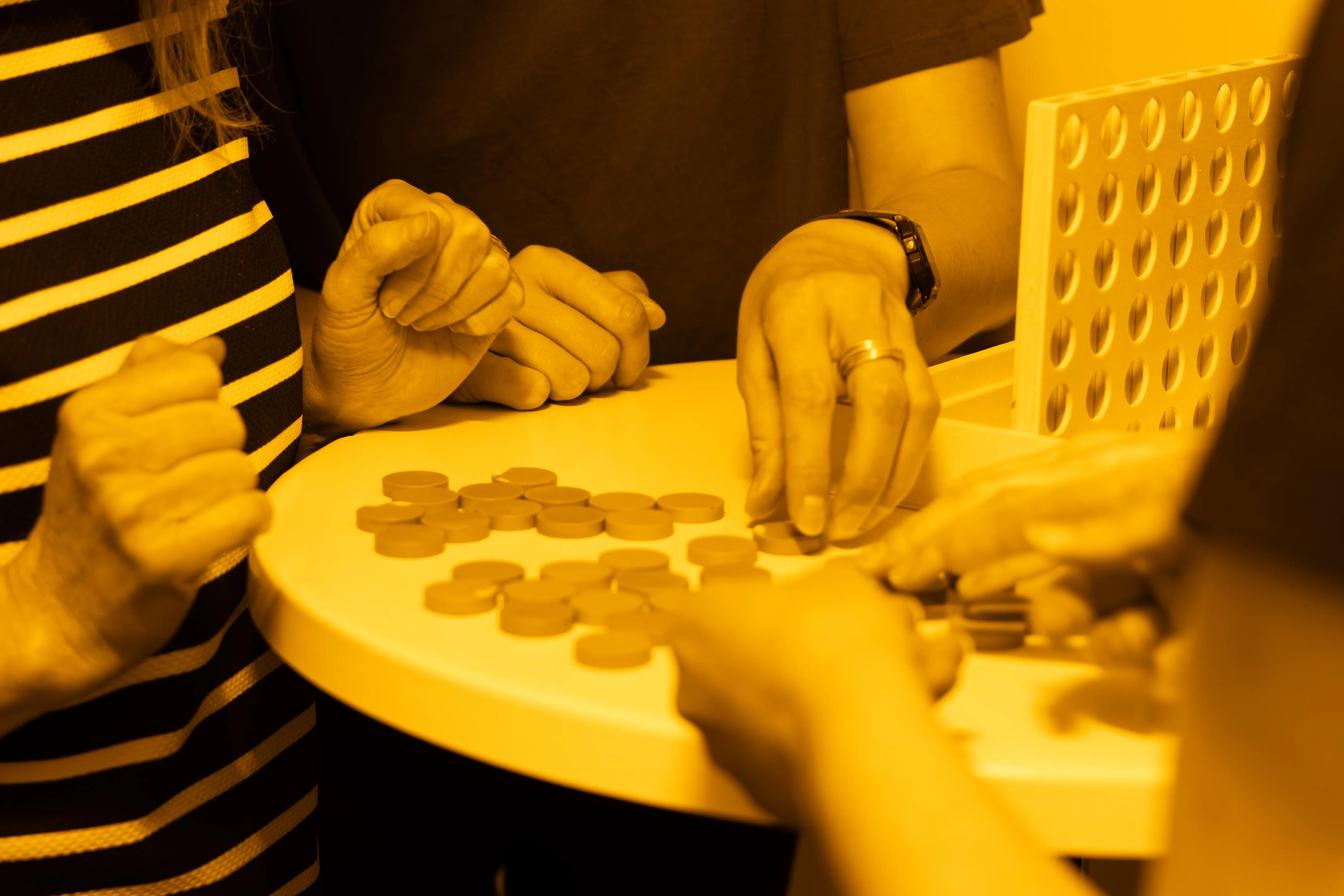
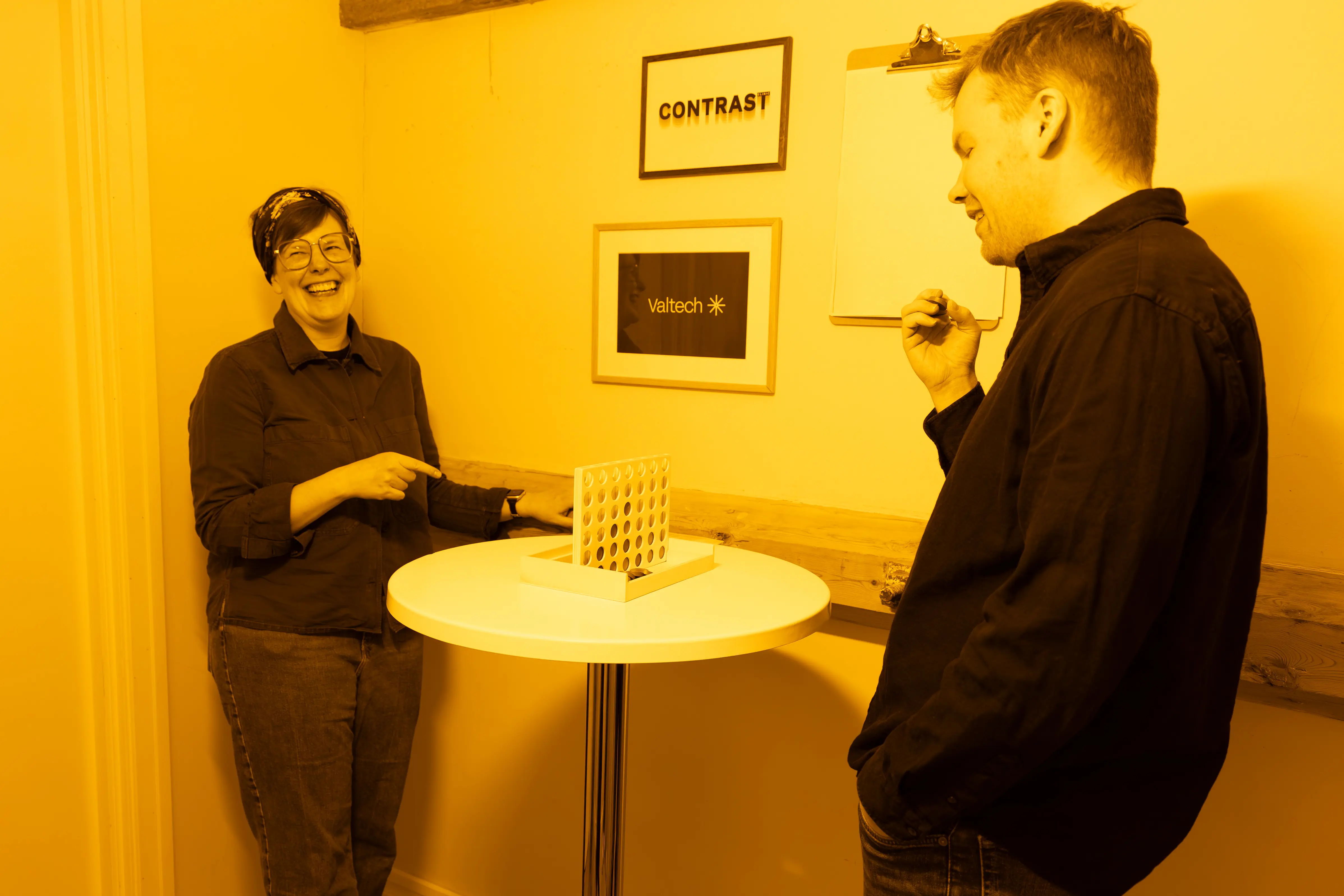
At Valtech, we believe the antidote to theoretical expertise is a return to high-quality craft, powered by human empathy. We see empathy not as a soft skill, but as the ultimate catalyst for transforming your strategy from reactive to proactive. By creating simple, immersive experiences that bring a concept to life, we move beyond checklists. When a team truly connects with the user's friction, they stop "fixing" the past and start "designing" for the future. They build with clarity, consistency, and control from day one because they’ve experienced the moment of intent themselves. This cultural alignment is best forged in a high-stakes, immersive environment.
The cultural blind spot of "perfect" conditions
Most product teams continue to design for 'perfect' users in 'perfect' conditions, curating a massive cultural blind spot in the process. We rely on the authority of our documentation and the green light of automated reports to tell us an experience is smooth, yet we remain blind to the invisible barriers that exclude millions. These frictions aren't felt, they are merely read—relegated to a spreadsheet rather than a lived reality. This is where brand identity begins to dilute, replaced by a patchwork of reactive fixes that satisfy the audit but ignore the person. As we scale with generative AI, these human-shaped gaps won't just persist; they will be magnified exponentially. Breaking this cycle requires more than a new process; it requires a visceral interruption of the status quo.
The risk of living in a permanent state of triage
Without a proactive culture, organizations stay trapped in a loop of accessibility triage—constantly firefighting bugs that should never have existed. This neglect doesn't just alienate users; it creates significant legal and brand risk while leaving substantial market share on the table. A team that only reacts is a team that cannot innovate. They are too busy looking in the rearview mirror to see the opportunity that intentional, inclusive and structured design not only offers brand differentiation but also organic GEO growth. The only way to pivot is to move from theoretical knowledge to a living, breathing understanding of the user's world.
Much like a real-time decision engine, this experience creates the friction a team needs to prioritize building an inclusive product. In just 30 minutes, the expert-sounding slides disappear and the "craft" returns. Developers and POs see firsthand how a ten-minute fix transforms a user’s journey from frustration to success. We don't just hand you a report of what’s broken; we provide the strategic orchestration necessary to build an inclusive culture that lasts.